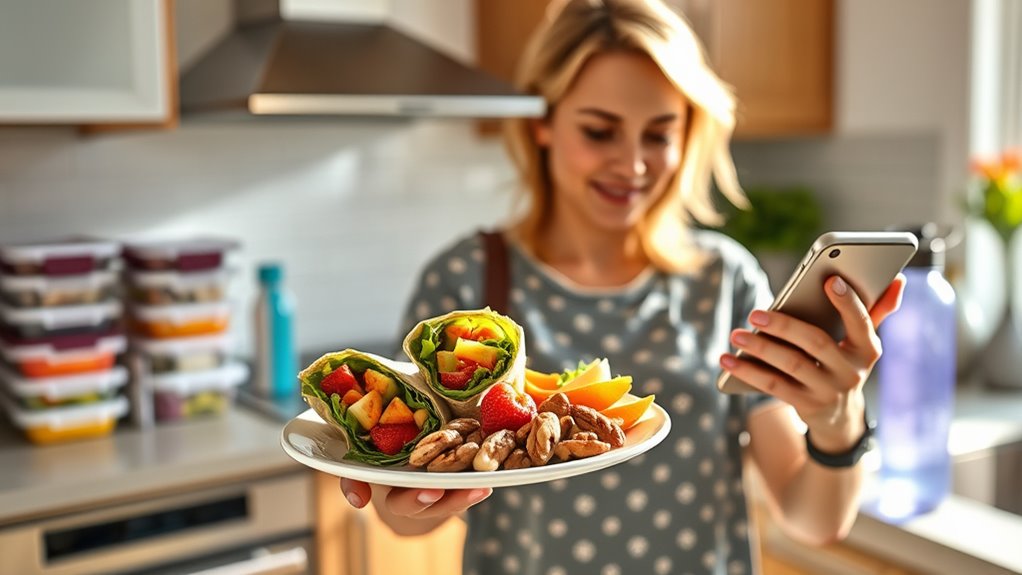

Balancing caregiving and healthy eating is tough, but smart planning makes it manageable. Prepare meals ahead of time with batch cooking, using simple recipes like overnight oats or veggie-packed egg muffins. Shop smart by choosing seasonal produce and frozen options for savings and convenience. Focus on nutrient-dense foods and easy-to-serve finger foods for all ages. Incorporate hydration and minimize stress with calm routines. Keep discovering more tips to stay energized and nourished on your busy days.
Key Takeaways
- Prepare make-ahead meals and snacks like overnight oats, egg muffins, and snack packs to save time and ensure healthy options are available.
- Shop seasonal and sale produce, and opt for frozen or canned vegetables to maximize savings and nutrition.
- Use batch cooking and versatile ingredients to streamline mealtime and reduce decision fatigue.
- Incorporate hydration-rich foods like fruits and soups to maintain energy and support overall wellness.
- Establish calming routines and organize meal prep to reduce stress and support mental clarity during busy days.
Why Meal Prepping Saves Time and Reduces Stress
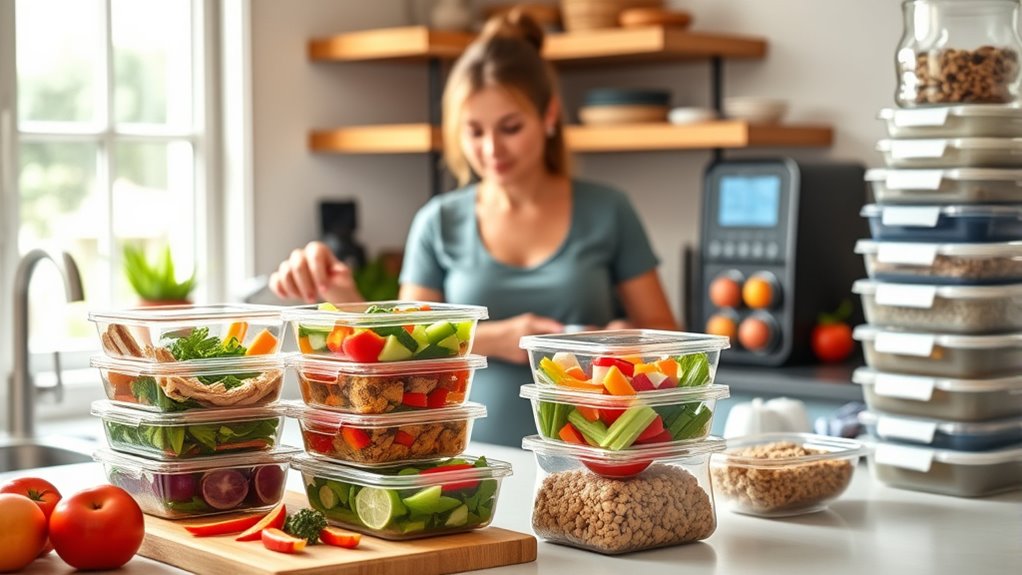
Meal prepping can be a game-changer for busy caregivers by saving you time and easing daily stress. When you prepare meals in advance, you eliminate the scramble to cook or find healthy options during hectic days. This means less time spent deciding what to eat and more time for yourself or your loved ones. It also helps you stick to a budget by reducing the temptation of takeout or last-minute splurges. Knowing you already have nutritious meals ready reduces anxiety around mealtime. Plus, prepped meals keep your energy levels steady, helping you stay attentive and alert. Overall, meal prepping streamlines your day, making it easier to balance caregiving duties with your own well-being. Incorporating precious metals into your long-term financial planning can provide additional security and peace of mind for the future.
Quick and Budget-Friendly Meal Ideas for Busy Days
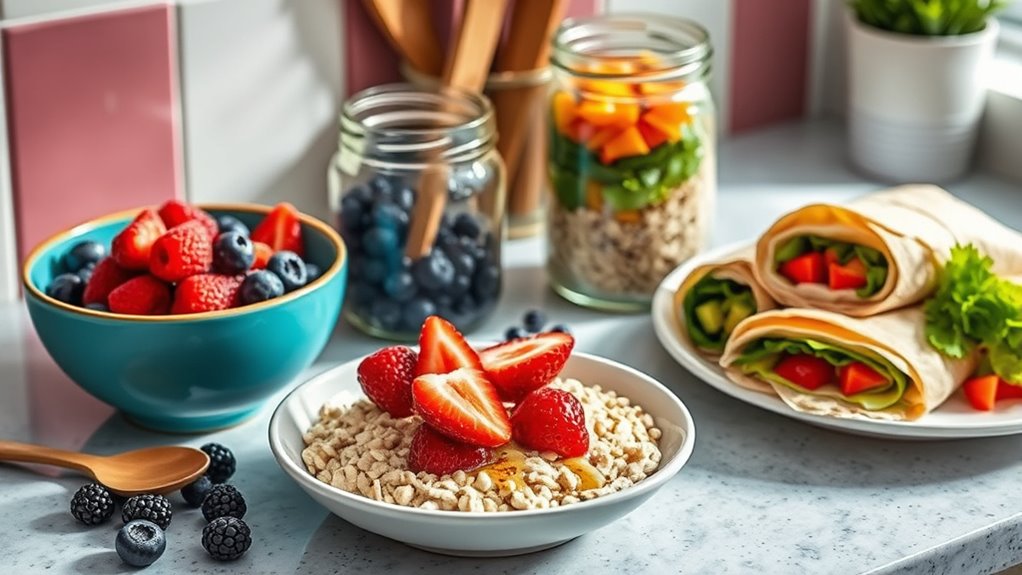
When your days are packed, quick and budget-friendly meals can make a big difference. You can prepare easy make-ahead breakfasts like egg muffins or overnight oats, saving time in the mornings. Simple snack packs with nuts, fruit, or hard-boiled eggs also keep you nourished without extra effort. Incorporating efficient meal prep in your planning can help you stay alert and responsive throughout busy days. Additionally, choosing versatile ingredients can reduce grocery shopping trips and streamline your cooking routines. Incorporating sound healing science principles, such as calming music or frequencies, can also help maintain your mental clarity during hectic schedules.
Easy Make-Ahead Breakfasts
Looking for quick and budget-friendly breakfast options to start busy mornings on the right foot? Make-ahead breakfasts save time and energy. Prepare these in advance so you can grab them on busy days. Try overnight oats—mix oats, milk, and fruit, then refrigerate overnight. Egg muffins are easy to batch-cook in muffin tins with veggies and cheese. Keep breakfast simple and affordable with homemade granola bars or yogurt parfaits layered with fruit and nuts. Use frozen berries or spinach to save prep time. Incorporating efficient workflow and innovative tools can streamline your morning routines and reduce stress. Additionally, selecting sustainable ingredients can help promote healthier eating habits and environmental responsibility. Understanding traditional cooking methods such as braai or making hearty stews like manioca can also inspire quick, nutritious meals that can be prepared in advance. Embracing modern cooking techniques can further enhance meal prep efficiency and nutritional value. Here’s a quick overview:
| Breakfast Idea | How to Prepare |
|---|---|
| Overnight oats | Mix ingredients, refrigerate overnight |
| Egg muffins | Whisk eggs, bake in muffin tins |
| Yogurt parfaits | Layer yogurt, fruit, and granola |
| Freezer smoothies | Blend fruits, freeze in portions |
| Granola bars | Make at home, store in airtight container |
Simple Snack Packs
Simple snack packs are an easy way to keep nutritious, grab-and-go options available during busy days. You can prepare these packs in advance, making it simple to grab a healthy snack when you’re on the move. Fill small containers or resealable bags with almonds, mixed nuts, or trail mix for protein and healthy fats. Include fresh fruit like apples, berries, or grapes for natural sweetness. Hard-boiled eggs provide a quick protein boost, while hummus paired with carrot sticks or cucumber slices adds crunch and fiber. These packs are budget-friendly, customizable, and require minimal prep. Keep a few stocked in your bag, car, or office to avoid reaching for less healthy choices. Quick, nutritious, and convenient—simple snack packs make busy days easier. Incorporating nutritional value into your snack choices ensures sustained energy throughout your busy schedule. Additionally, choosing snack options that support aesthetic and health can boost your overall well-being during hectic days. Regularly rotating different healthy snacks can also help prevent taste fatigue and maintain your enthusiasm for nutritious eating. Utilizing a variety of these snacks aligns with research supporting the benefits of diverse personality traits in maintaining balanced nutrition and motivation. Paying attention to auditory processing and sensory sensitivities can help you select snacks that are easier to enjoy and tolerate during stressful times.
Cost-Effective Meal Prep
Preparing nutritious meals doesn’t have to break the bank or eat up your limited time. With a little planning, you can create quick, budget-friendly options for busy days. Start by batching meals like cooked grains, roasted vegetables, or shredded chicken, which you can reheat easily. Here are some ideas to get you started:
- Make egg muffins with veggies and cheese—bake ahead and grab on busy mornings.
- Prepare overnight oats with oats, almond milk, and fruit—ready when you wake up.
- Pack snack packs with almonds, fruit, and hummus for portable energy.
- Use frozen vegetables—they’re affordable, nutritious, and save prep time.
- Incorporate multi-functional gear to streamline your meal prep and storage solutions, making your process more efficient. Using versatile kitchen tools can also help you save time and improve your overall meal planning.
- Investing in reliable kitchen appliances can help you prepare meals faster and more consistently, reducing stress during busy mornings.
- The importance of reliable cloud services was highlighted during recent outages, emphasizing the need for contingency plans in your meal prep organization to prevent disruptions.
These simple strategies help you stay nourished without sacrificing time or money.
Smart Grocery Shopping for Maximum Nutrition and Savings

When you shop, focus on nutrient-dense produce like colorful vegetables and fruits to maximize nutrition without overspending. Always read labels carefully to choose lower-sodium canned goods and avoid added sugars. Shopping seasonally and looking for sales helps you save money while stocking up on healthy staples. Incorporating seasonal shopping tips can also help you make the most of sales and reduce waste. Utilizing affordable home improvements such as simple wall decor ideas can also make your environment more inspiring and comfortable during busy days. Additionally, using aroma oil diffusers can create a calming atmosphere that supports relaxation and well-being amidst your busy schedule. Being aware of mammography guidelines and understanding the importance of early detection can help you stay proactive about your health, especially if you have concerns about breast cancer.
Prioritize Nutrient-Dense Produce
Are you getting the most nutrition for your grocery dollar? Prioritizing nutrient-dense produce helps you maximize health benefits without overspending. Focus on these four tips: 1. Choose colorful vegetables and fruits—they’re packed with vitamins, antioxidants, and fiber. 2. Buy seasonal produce; it’s fresher, tastier, and often cheaper. 3. Opt for frozen or canned options; just rinse or drain to reduce sodium and preserve nutrients. 4. Incorporate leafy greens like spinach and kale, which are low-cost yet nutrient powerhouses. Additionally, selecting rendering lard can enhance your overall diet quality while being budget-friendly.
Read Labels Carefully
Reading nutrition labels is essential for making smart grocery choices that maximize both nutrition and savings. By checking labels, you can identify products low in added sugars, unhealthy fats, and sodium, helping you choose healthier options for your family. Look for items with recognizable ingredients and avoid those with long lists of artificial additives. Pay attention to serving sizes to accurately compare calorie and nutrient content. Choosing low-sodium canned vegetables and rinsing them reduces excess salt intake. Comparing brands helps you find the best value without sacrificing quality. Reading labels also reveals hidden sugars or unhealthy fats, guiding you toward nutrient-dense foods. Making informed decisions at the store supports your goal of eating well on the go while sticking to your budget.
Shop Seasonal and Sale Items
Shopping for seasonal and sale items allows you to get the most nutritious foods at the best prices. By focusing on what’s in season, you’ll find fresher, tastier produce that’s often cheaper. Sale items can also help stretch your grocery budget and reduce trips. Here’s how to make the most of it:
- Buy seasonal produce—they’re more affordable and nutrient-dense.
- Stock up during sales—freeze or preserve for future meals.
- Look for markdowns on perishable items—use or freeze them quickly.
- Plan meals around sale items—maximize savings and variety.
Staying flexible with your shopping list lets you enjoy fresh, healthy foods without overspending, making mealtime easier and more nutritious.
Tailoring Meal Strategies for Older Adults and Special Diets
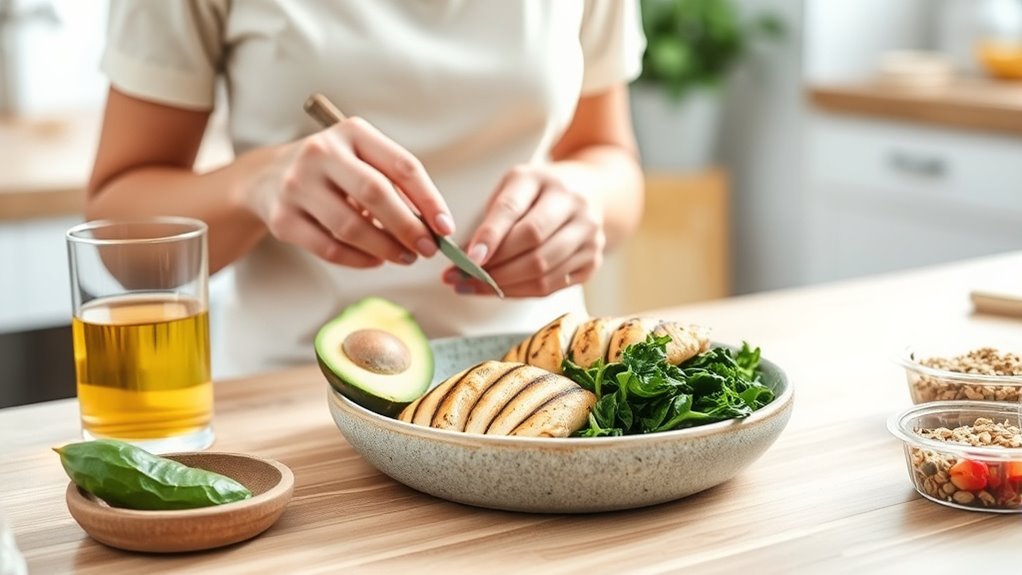
Adapting meal strategies for older adults and those with special diets requires thoughtful planning to guarantee nutritional needs are met while accommodating specific health considerations. Focus on smaller, frequent meals to boost intake if appetite is low. Prioritize easy-to-prepare dishes or batch-freeze meals for convenience. Healthy frozen meals with low sodium (650 mg or less) serve as reliable backups. Involve your care recipient in menu choices to increase engagement and satisfaction. To help you stay organized, consider the following:
| Special Diet Needs | Tips |
|---|---|
| Low sodium | Use herbs/spices instead of salt |
| Diabetic-friendly | Focus on complex carbs and fiber |
| Texture modifications | Offer soft or pureed foods as needed |
| Hydration | Incorporate water-rich fruits and soups |
Supporting Dementia Patients Through Mealtime Routines

Supporting dementia patients through mealtime routines is essential because consistent schedules help reduce confusion and anxiety. When you establish regular mealtimes, your loved one knows what to expect, making eating calmer and more enjoyable. To support this, consider these tips:
- Stick to set meal times every day to create predictability.
- Keep the environment calm and free of distractions during meals.
- Serve finger foods and small portions to encourage independence.
- Use aromas to stimulate appetite and make food more appealing.
Overcoming Common Barriers and Preventing Caregiver Burnout
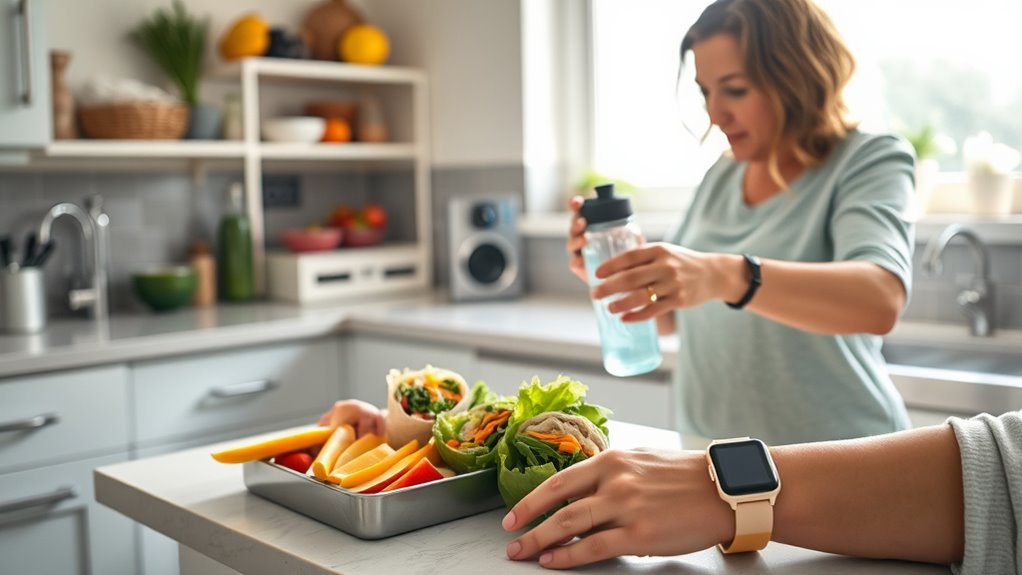
Caregiving can be rewarding, but it often comes with emotional and physical challenges that lead to burnout. To prevent this, prioritize self-care and set realistic expectations. Take short breaks during the day, even if it’s just a few minutes to breathe or stretch. Keep a support system of friends, family, or community resources to share responsibilities and vent frustrations. Simplify routines by using prepared or frozen meals to save time and reduce stress. Eliminate clutter and hazards in your environment to make daily tasks safer and less overwhelming. Remember, asking for help isn’t a sign of weakness—it’s essential. Regularly check in with yourself to recognize signs of fatigue and stress early, so you can address them before they become overwhelming.
Incorporating Frozen Foods and Batch Cooking Techniques
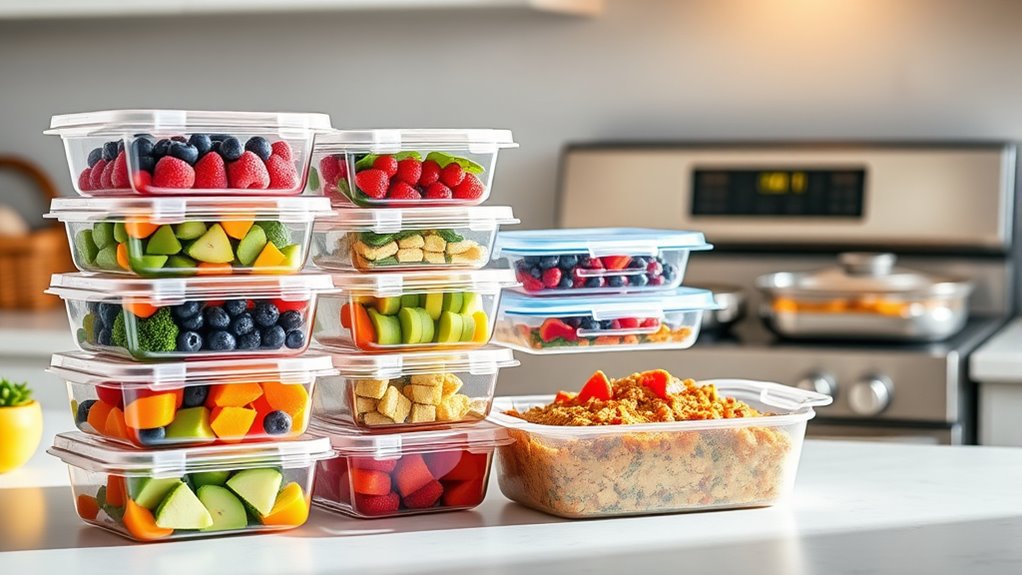
Using frozen foods and batch cooking can considerably streamline meal preparation for busy caregivers. Frozen vegetables, fruits, and pre-cooked proteins are convenient staples that save time without sacrificing nutrition. Batch cooking allows you to prepare multiple meals at once, reducing daily cooking demands. To maximize efficiency, consider these tips:
Frozen foods and batch cooking simplify busy caregiving meals efficiently.
- Cook large portions of staples like rice, beans, or chicken to reuse in various dishes.
- Freeze individual portions in airtight containers for quick reheating.
- Use frozen vegetables to cut prep time and ensure freshness.
- Label and organize your freezer to quickly find meals and ingredients when needed.
Incorporating these strategies helps you serve balanced meals swiftly, freeing up time and reducing stress.
Easy Tips to Make Meals More Appealing and Engaging
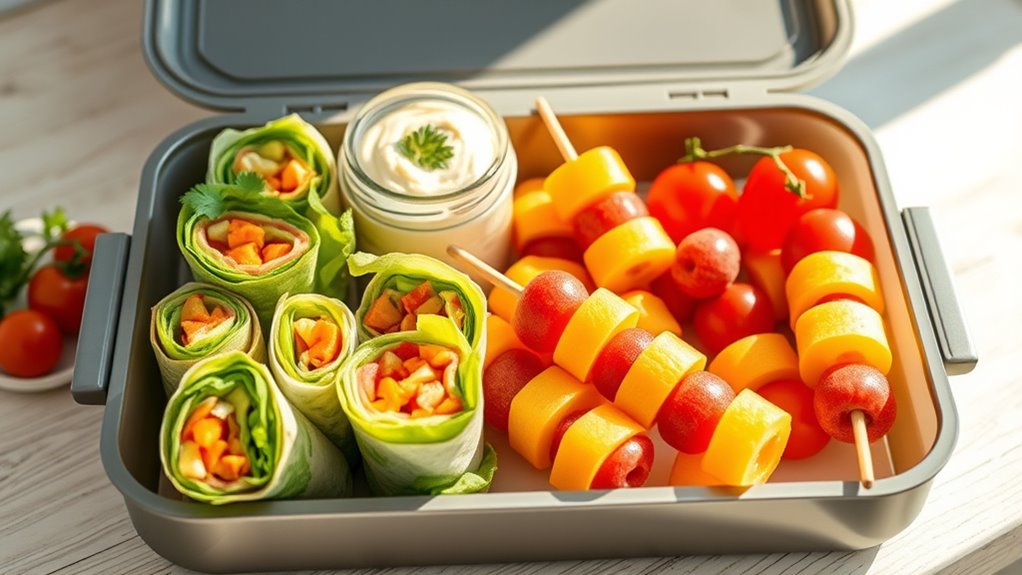
Making meals more appealing and engaging can turn everyday eating into a positive experience, especially for those with changing appetites or limited enjoyment of food. You can start by using colorful ingredients—fresh vegetables, vibrant fruits, or herbs—to add visual appeal. Presentation matters: arrange foods neatly on plates, use fun-shaped cutters, or serve in colorful bowls. Incorporate textures like crunchy nuts or crispy toppings to make bites more interesting. Adding aromatic herbs or spices can stimulate the senses and enhance flavors. Involve your loved one in meal prep or choosing ingredients to boost their engagement and sense of control. Small touches like these make meals more inviting, encouraging better eating habits and turning mealtimes into enjoyable, shared moments.
Resources and Community Support to Keep Nutrition on Track
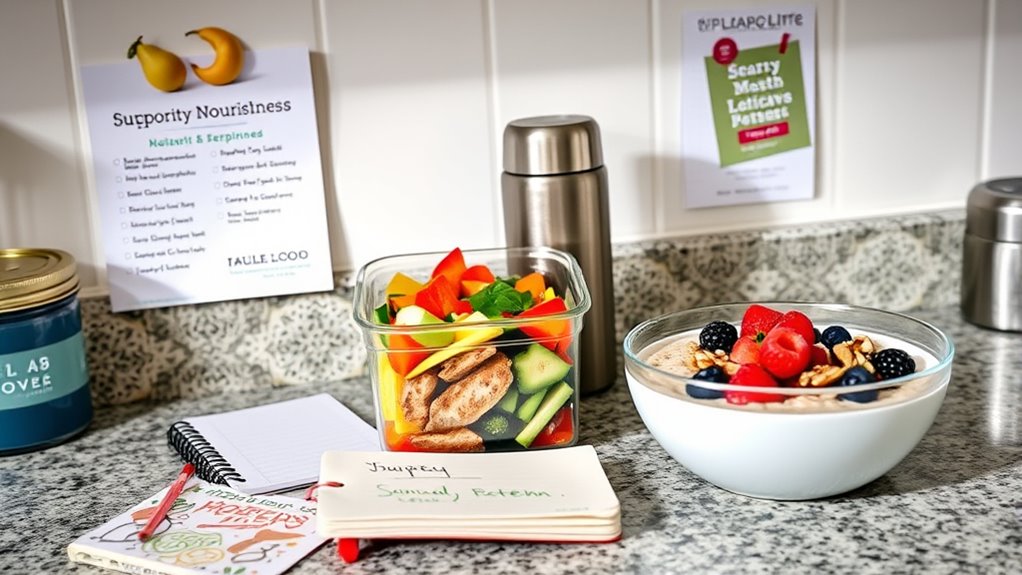
Community resources and support networks play an essential role in helping you maintain proper nutrition for your loved ones. These programs can provide practical assistance and relieve some of your caregiving burden. Here are four key resources:
- Meals on Wheels – Delivers nutritious, ready-to-eat meals, especially helpful if mobility is limited.
- SNAP Benefits – Offers financial assistance to buy healthy food, making grocery shopping more affordable.
- Local Food Pantries – Provide free or low-cost fresh produce, canned goods, and essentials.
- Support Groups – Connects you with other caregivers for advice, emotional support, and shared tips on maintaining good nutrition.
Leveraging these resources guarantees your loved ones get the nutrition they need without overwhelming your schedule.
Frequently Asked Questions
How Can I Start Meal Prepping With Limited Kitchen Experience?
You can start meal prepping even with limited kitchen experience by choosing simple recipes like egg muffins or overnight oats. Gather basic ingredients and plan 2-3 meals ahead. Use batch cooking to save time and freeze leftovers for busy days. Keep tools minimal—just a few bowls, a baking sheet, and storage containers. Focus on easy, nutritious options, and gradually try more complex dishes as you become comfortable.
What Are Some Quick Snack Ideas for On-The-Go Energy?
You can boost your energy with quick, easy snacks like nuts and dried fruit, which are portable and filling. Prepare snack packs with almonds, trail mix, or mixed fruit, so you can grab them on busy days. Hard-boiled eggs and cheese sticks are convenient, protein-rich options. Keep some whole-grain crackers or granola bars in your bag for a quick energy boost anytime. These snacks keep you fueled without prep stress.
How Do I Adapt Meals for Food Allergies or Sensitivities?
To adapt meals for food allergies or sensitivities, you should carefully read labels and choose allergen-free ingredients. Swap out common allergens with safe alternatives, like nut butters for peanut allergies or coconut yogurt instead of dairy. Prepare simple, homemade dishes to control ingredients, and experiment with new recipes that meet your needs. Always double-check for cross-contamination and consider consulting a nutritionist for personalized advice.
What Tools or Containers Are Best for Meal Storage?
You should choose airtight, BPA-free containers to keep your meals fresh and prevent leaks. Opt for stackable, microwave-safe containers for easy reheating and efficient storage. Use portioned containers to control serving sizes, and consider glass or durable plastic options for longevity. Label containers with dates to track freshness, and select sizes suited for your meal prep needs. These tools make storing, transporting, and reheating meals simple and stress-free.
How Can I Involve Care Recipients in Meal Planning Safely?
Think of meal planning as a team effort—your care recipient is part of the journey. Keep safety in mind by choosing simple, age-appropriate tasks like washing vegetables or setting the table. Use visual cues or pictures to guide choices, and always supervise. This involvement boosts their independence and makes mealtimes more engaging, transforming routine into shared moments of joy and connection.
Conclusion
As you navigate the busy world of caregiving, these nutrition hacks subtly remind you that even small, intentional changes can make a difference. Sometimes, a quick meal prep or a simple grocery swap unexpectedly sparks a moment of calm amidst chaos. Remember, nourishing others often nourishes you too—turning routine into a rhythm that sustains both your loved ones and your own well-being. After all, caring deeply is often the quiet coincidence that keeps everything flowing smoothly.