
As a caregiver, you can support a stroke survivor’s recovery by creating a safe, accessible home environment, assisting with daily tasks, and managing medications carefully. Offer emotional encouragement, listen actively, and celebrate small successes to boost confidence. Encourage independence through guided practice in self-care and routines. Stay vigilant about health signs and maintain communication with healthcare providers. If you keep exploring, you’ll discover effective strategies to foster healing and resilience at home.
Key Takeaways
- Support daily routines and self-care activities to promote independence and confidence in the survivor.
- Modify the home environment for safety, including removing hazards and installing grab bars and proper lighting.
- Assist with medication management and monitor vital signs to ensure ongoing health and early detection of issues.
- Provide emotional support through active listening, encouragement, and creating a safe space for expressing concerns.
- Incorporate physical activity and wellness practices using connected devices or apps to enhance recovery and well-being.

Life Alert System No Monthly Fee, Caregiver Pager Call Button for Elderly at Home, Medical Alert Systems for Seniors with App, Panic Button Alarm System, 2.4GHz WiFi Receiver, Necklace, Bracelet
LIFE ALERT SYSTEM NO MONTHLY FEE – This Wi-Fi caregiver pager call button designed for elderly parents and...
As an affiliate, we earn on qualifying purchases.
Understanding the Importance of Home-Based Recovery

Home-based recovery is essential because it allows stroke survivors to regain independence in familiar surroundings, which can boost motivation and engagement in rehabilitation. Being at home helps you feel more comfortable and in control, making it easier to stick with daily routines and exercises. This environment encourages real-life practice, helping you relearn essential skills for everyday life. Staying in your own space reduces stress and anxiety that often come with unfamiliar clinical settings. Additionally, home-based recovery promotes continuity, allowing you to integrate therapeutic activities into your daily schedule seamlessly. This approach not only supports physical recovery but also enhances emotional well-being, empowering you to take charge of your progress and maintain a sense of normalcy. Implementing simple systems can also make managing daily recovery tasks more organized and less overwhelming. Understanding the importance of home environment factors, such as lighting and noise levels, can further improve the effectiveness of recovery efforts. Paying attention to environment modifications can help create a safer, more supportive space for recovery activities. Moreover, maintaining a consistent routine can significantly motivate recovery efforts and help establish positive habits. Incorporating technology-assisted tools can further enhance the recovery process by providing additional support and monitoring progress.

Life Alert Systems for Seniors No Monthly Fee App-Controlled, Medical Alert Systems for Seniors with 1Waterproof Wrist 2 Call Button 1 Receiver and1-6 LED Number Display (Only Supports 2.4GHz Wi-Fi)
【Waterproof wrist remote control】can wear the remote control on your hand while taking a shower to protect your...
As an affiliate, we earn on qualifying purchases.
Supporting Daily Activities and Promoting Independence

You can help by assisting with routine tasks like dressing, cooking, or cleaning to make daily life easier. Encouraging self-care practices, such as grooming and medication management, promotes confidence and independence. Small steps in supporting these activities can markedly improve your loved one’s ability to stay active at home. Additionally, fostering emotional well-being through encouragement and companionship can significantly aid recovery and overall quality of life. Incorporating home safety measures, like proper lighting and grab bars, can further support independence and reduce the risk of falls. Understanding home energy considerations can help you create a safer environment that accommodates mobility aids and other adaptations, enhancing overall safety and comfort. Paying attention to home environment modifications can optimize comfort and accessibility for stroke survivors. Creating an environment that supports therapeutic activities can also enhance recovery and motivation.
Assisting With Routine Tasks
Supporting daily activities is essential for stroke survivors aiming to regain independence and improve their quality of life. By assisting with routine tasks, you help them rebuild confidence and maintain their dignity. Here are four ways you can support them:
- Prepare easy-to-manage meals: Offer nutritious options that are simple to prepare and eat.
- Help with personal hygiene: Assist with bathing, grooming, and dressing, respecting their comfort.
- Organize medication schedules: Ensure they take medications correctly and on time.
- Encourage household chores: Support light cleaning or organizing to promote routine and purpose. Additionally, leveraging energy-efficient cloud servers can help manage healthcare data securely and sustainably, ensuring that recovery plans and medical information are accessible and protected. Incorporating digital health records can further streamline communication between caregivers and healthcare providers. Maintaining proper hygiene practices is also crucial in preventing infections and supporting overall health during recovery. Your active involvement makes a significant difference in their recovery journey, fostering independence and creating a sense of accomplishment.
Encouraging Self-Care Practice
Encouraging stroke survivors to practice self-care helps reinforce their independence and confidence in managing daily routines. Start by guiding them gently through tasks like dressing, grooming, and meal prep, offering support only when needed. Break activities into manageable steps, and celebrate small successes to boost motivation. Use adaptive tools or modifications to make tasks easier, such as grab bars or ergonomic utensils. Encourage regular practice to build skills and comfort. Remember, patience is key—pushing too hard can cause frustration. By fostering a supportive environment and emphasizing progress over perfection, you help your loved one regain control over their daily life. Incorporating natural landscaping and outdoor elements can create a calming environment that promotes well-being and encourages engagement in self-care routines. Promoting self-care not only aids recovery but also nurtures their sense of dignity and autonomy.
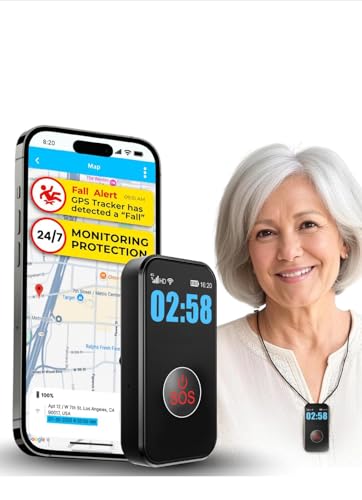
SecuLife Medical Alert Pendant for Seniors — Alerts Go Direct to Family, No Call Center | Auto Fall Detection, GPS Tracking, 2-Way Calling, No Contract, Waterproof Necklace
❤️ 𝐌𝐞𝐝𝐢𝐜𝐚𝐥 𝐀𝐥𝐞𝐫𝐭 𝐏𝐞𝐧𝐝𝐚𝐧𝐭 𝐰𝐢𝐭𝐡 𝐅𝐚𝐥𝐥 𝐃𝐞𝐭𝐞𝐜𝐭𝐢𝐨𝐧: Designed for seniors and individuals with medical conditions, this wearable alert...
As an affiliate, we earn on qualifying purchases.
Effective Communication and Emotional Support Strategies

You can foster better understanding by practicing active listening, giving your full attention and reflecting back what you hear. Showing empathy and offering encouragement helps your loved one feel supported and understood during recovery. By focusing on clear, compassionate communication, you strengthen emotional bonds and boost confidence. Incorporating emotional support strategies can further enhance your ability to connect and provide comfort during this challenging time. Additionally, embracing a growth mindset can help both you and the survivor stay optimistic and adaptable throughout the recovery process. Being aware of evidence-backed guidance ensures that your support is both effective and grounded in proven approaches, ultimately promoting a more positive recovery experience. Regular careful inspections of the survivor’s emotional well-being can identify early signs of frustration or depression, allowing for timely intervention. Recognizing the importance of vetted techniques can help ensure that your support remains both safe and effective.
Active Listening Techniques
Active listening techniques are essential for providing effective emotional support and fostering meaningful communication with stroke survivors and their caregivers. By focusing fully on what they’re saying, you show respect and understanding, which boosts their confidence.
Here are four key strategies:
- Maintain eye contact to show engagement and sincerity.
- Use nods and facial expressions to encourage sharing and indicate understanding.
- Reflect and paraphrase what they say to confirm you’re listening and clarify their feelings.
- Avoid interrupting and give them ample time to express themselves fully. Incorporating emotional support strategies can further enhance their sense of connection and trust during recovery. Employing active listening techniques also helps build a safe space for survivors to share their concerns and fears openly. Recognizing the importance of empathetic communication can deepen your connection and support healing. Additionally, utilizing mindfulness techniques can help caregivers remain present and attentive during interactions, fostering a more supportive environment. Practicing these techniques helps survivors feel heard, understood, and supported, which can profoundly improve their emotional well-being during recovery. Incorporating connected home fitness devices or wellness apps can also support their physical and mental health. Your attentive listening makes a meaningful difference in their healing journey.
Empathy and Encouragement
Empathy and encouragement are essential components of effective communication that can markedly boost a stroke survivor’s confidence and motivation. When you show genuine understanding, you help your loved one feel heard and valued, reducing feelings of frustration or isolation. Use active listening to acknowledge their emotions and validate their efforts, no matter how small. Offer positive reinforcement to celebrate progress and inspire continued effort. Avoid judgment or impatience, and instead, focus on fostering a supportive environment where they feel safe to express their struggles. Your words and attitude can uplift their spirits and reinforce their desire to regain independence. By consistently demonstrating empathy and encouragement, you help build resilience and create a foundation for emotional healing during recovery.

Medical Guardian MGMini | Get Help Instantly & Stay Independent | Medical Alert Device for Seniors | 24/7 Monitoring, GPS Tracking, Emergency Button | Subscription Required | Rose Gold
SMALL DEVICE, BIG CONFIDENCE: Our smallest medical alert device offers 24/7 protection, discreet style, and omniSIM technology providing...
As an affiliate, we earn on qualifying purchases.
Managing Medications and Monitoring Health Signs
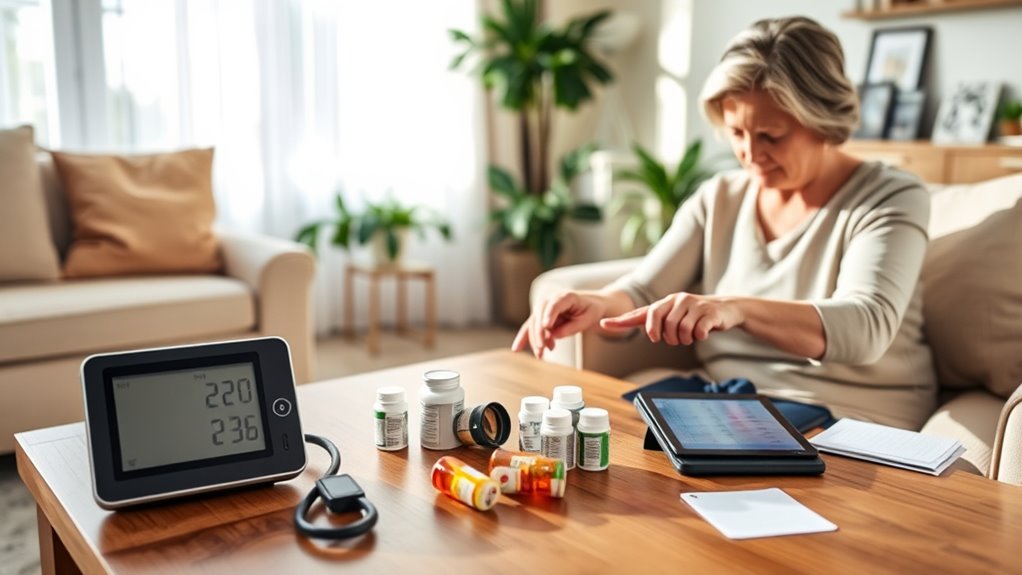
Managing medications and monitoring health signs are essential components of effective stroke recovery at home. You play a key role in ensuring your loved one stays on track. Here are four crucial tasks:
- Keep a detailed medication schedule, including dosages and times, to prevent missed doses or errors.
- Use a medication organizer or alarm system to stay organized and punctual.
- Regularly check vital signs like blood pressure, heart rate, and temperature to catch early warning signs.
- Record these readings consistently to share with healthcare providers and adjust care as needed.
Stay vigilant, and don’t hesitate to ask healthcare professionals if anything seems abnormal. Your attentiveness helps prevent complications and supports steady recovery.
Creating a Safe and Accessible Home Environment

Creating a safe and accessible home environment is essential for supporting recovery and preventing further injuries. Start by removing tripping hazards like loose rugs, clutter, and cords. Install grab bars in the bathroom and non-slip mats to reduce slipping risks. Ensure doorways and hallways are wide enough for mobility aids such as walkers or wheelchairs. Adjust lighting to eliminate shadows and improve visibility, especially in stairways and staircases. Consider installing stairlifts or ramps if stairs are unavoidable. Arrange furniture to allow clear pathways and easy navigation. Keep frequently used items within reach to avoid stretching or climbing. Regularly check your home for potential hazards and maintain safety features. A well-organized, hazard-free environment promotes independence and reduces the likelihood of falls or injuries.
Coordinating With Healthcare Professionals and Rehabilitation Services
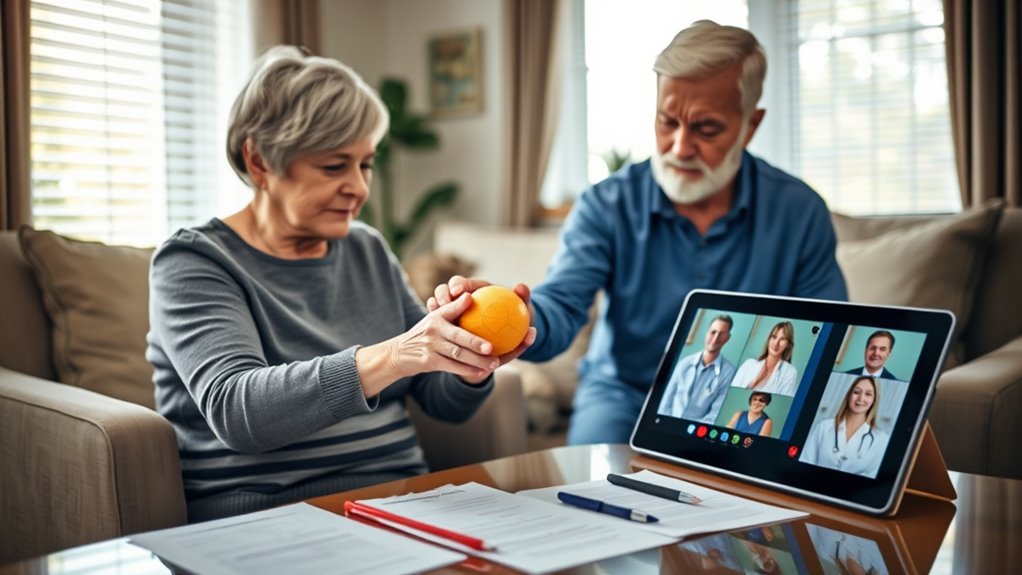
Coordinating with healthcare professionals and rehabilitation services guarantees that stroke survivors receive tailored support throughout their recovery at home. You play a essential role in guaranteeing effective communication and follow-through.
Here’s how you can stay on top of this:
- Keep detailed records of appointments, medications, and therapy progress.
- Regularly check in with doctors and therapists to discuss updates or concerns.
- Schedule and coordinate therapy sessions to align with recovery goals.
- Advocate for your loved one by asking questions and clarifying treatment plans.
Staying organized helps guarantee your loved one gets the right care and adjustments when needed, optimizing recovery outcomes and reducing setbacks. Your proactive involvement makes an imperative difference.
Caregiver Self-Care to Prevent Burnout

Taking care of yourself is crucial to sustain your ability to support your loved one effectively, especially when caregiving feels overwhelming. Prioritize regular breaks, even if they’re brief, to recharge physically and mentally. Make time for activities you enjoy; this helps reduce stress and maintain your emotional health. Stay connected with friends and family for support and perspective. Practice healthy habits like eating well, exercising, and getting enough sleep—these strengthen your resilience. Set realistic expectations and don’t hesitate to ask for help when needed. Remember, caring for yourself isn’t selfish; it’s necessary. By maintaining your well-being, you’ll be better equipped to provide consistent, compassionate care and prevent burnout. Your health is a vital part of your loved one’s recovery journey.
Resources and Community Support for Caregivers

Finding the right resources and community support can make a significant difference in your caregiving experience. Support networks connect you with valuable information, practical help, and emotional reassurance. Here are four ways to access these resources:
- Local Support Groups: Join groups for caregivers and stroke survivors to share experiences and gain advice.
- Healthcare Professionals: Consult nurses, therapists, or social workers who can guide you on care strategies and available services.
- Community Organizations: Access programs such as respite care, transportation, and educational workshops that ease your load.
- Online Resources: Use reputable websites and forums for information, tips, and virtual support from other caregivers.
Leveraging these resources helps you stay informed, reduce stress, and provide better care for your loved one.
Frequently Asked Questions
How Can Caregivers Access Affordable Home-Based Stroke Rehabilitation Services?
You can access affordable home-based stroke rehabilitation services by exploring public health programs, Medicaid, or Medicare options that cover home care and therapy. Reach out to local community health agencies or nonprofit organizations offering sliding scale fees or assistance programs. Additionally, inquire with home health agencies about cost-effective packages, and consider telehealth services, which often provide affordable, convenient therapy sessions from the comfort of your home.
What Are Effective Ways to Motivate a Survivor During Home Recovery?
Think of motivating a survivor as tending a garden—you nourish with patience, water with encouragement, and prune doubts. Celebrate small victories like blooming flowers to boost confidence. Use positive words and set achievable goals, making progress visible like signs of new growth. Your enthusiasm acts as sunlight, inspiring them to keep moving forward. With gentle support, you help their recovery flourish, turning challenges into vibrant blossoms of strength.
How Do Caregivers Manage Diverse Needs of Stroke Survivors With Varying Impairments?
You manage diverse needs by evaluating each survivor’s specific impairments and tailoring your support accordingly. Stay patient and flexible, adjusting activities to match their abilities. Use clear communication, encourage independence, and provide emotional support. Collaborate with healthcare professionals for guidance on therapies and adaptations. Breaking tasks into manageable steps helps, and celebrating small progress boosts motivation. Your attentive, personalized care makes a significant difference in their recovery journey.
What Legal or Financial Planning Should Caregivers Consider During Recovery?
Think of your loved one’s future as a garden that needs careful planning. You should review their financial resources, update or create legal documents like powers of attorney and healthcare directives, and explore long-term care insurance. Seek advice from legal and financial professionals to guarantee their needs are protected. This proactive approach helps safeguard their well-being and your peace of mind during recovery.
How Can Technology Assist in Monitoring and Supporting Stroke Survivors at Home?
Technology helps you monitor and support stroke survivors at home by providing remote health tracking, medication reminders, and emergency alerts. You can use wearable devices to track essential signs and mobility, ensuring timely interventions. Video calls and telehealth services keep you connected with healthcare professionals, while smart home systems can assist with daily tasks. Embracing these tools makes caregiving more efficient, reduces stress, and promotes better recovery outcomes for your loved one.
Conclusion
Remember, as a caregiver, you’re the steady lighthouse guiding your loved one through stormy seas toward calmer waters. Your patience and support light the way, helping them regain strength and independence. By creating a safe harbor at home and leaning on resources, you turn everyday challenges into stepping stones on their recovery journey. Stay resilient, because your unwavering dedication transforms obstacles into opportunities for hope and healing.