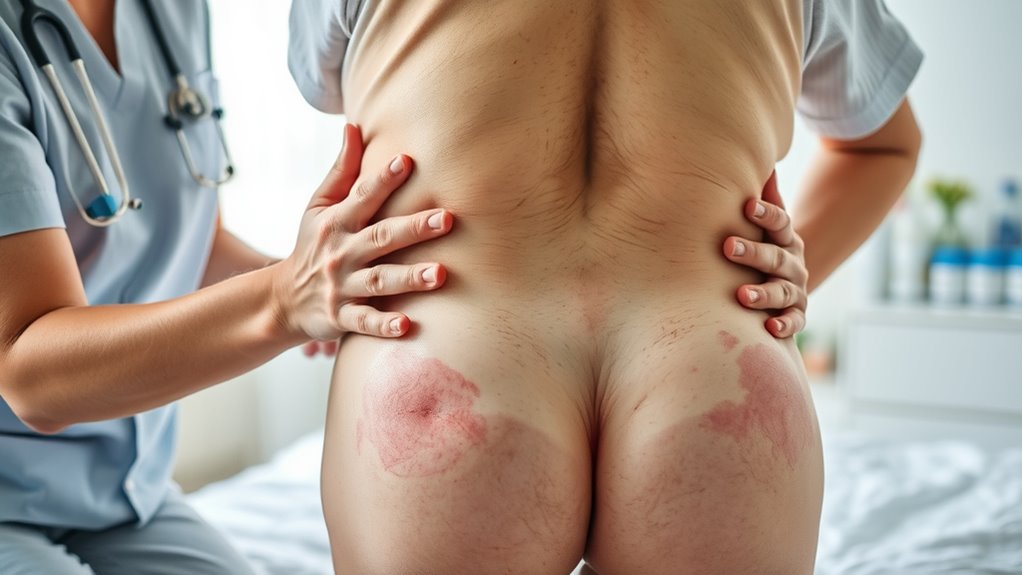

To prevent and treat bedsores in your bedridden loved one, focus on regular repositioning every two hours to reduce pressure on bony areas like the hips and heels. Maintain a nutritious diet rich in protein, vitamins C and E, and stay well-hydrated to support skin health. Use pressure-relieving cushions or mattresses, keep the skin clean and dry, and check regularly for signs of redness or discomfort. Continuing to explore these strategies can help you protect their skin and promote healing.
Listen free for 30 days with Audible
Thousands of audiobooks and originals — cancel anytime.
As an affiliate, we earn on qualifying purchases.
Key Takeaways
- Regularly shift and reposition your loved one every two hours to prevent prolonged pressure on vulnerable areas.
- Ensure a nutrient-rich diet high in protein, vitamins C and E, and zinc to promote skin health and wound healing.
- Conduct daily skin inspections, keeping skin clean and dry, especially over bony prominences like sacrum and heels.
- Use pressure-relieving devices such as specialized mattresses or cushions to evenly distribute weight and reduce pressure points.
- Encourage mobility through assisted movements or passive exercises to improve circulation and minimize tissue damage.
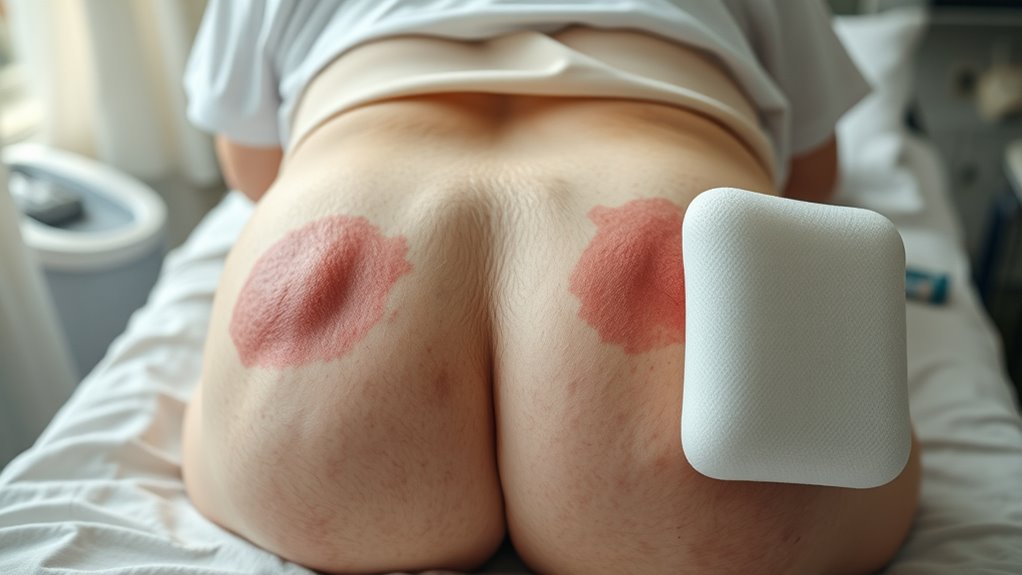
Bedsores, also known as pressure ulcers, develop when prolonged pressure cuts off blood flow to the skin and underlying tissues. If you’re caring for a loved one who’s bedridden, understanding how to prevent these painful sores is essential. One effective way to do this is by focusing on nutrition tips that support healthy skin and tissue repair. Make certain your loved one’s diet is rich in protein, vitamins C and E, and zinc, which all promote wound healing and strengthen skin. Hydration also plays a critical role, so encourage plenty of water intake to keep skin supple and resilient. Incorporate nutrient-dense foods like lean meats, fresh fruits, vegetables, nuts, and whole grains into their meals. Proper nutrition doesn’t just help healing; it actively reduces the risk of sores forming in the first place.
Alongside diet, mobility exercises are indispensable to prevent pressure buildup. Even small movements can considerably improve circulation and reduce the risk of pressure ulcers. If your loved one can move even slightly, encourage them to shift positions regularly—at least every two hours. If they’re unable to move on their own, assist with passive range-of-motion exercises. These involve gently moving their limbs and joints to stimulate blood flow and prevent stiffness. For example, flex and extend their ankles and knees, rotate their shoulders, and gently stretch their arms and legs. Incorporating these exercises into their daily routine helps distribute pressure more evenly across different areas of the body and reduces the likelihood of pressure points developing. Additionally, using a high-quality home theatre projector with adjustable positioning can help create a comfortable environment for rest and recovery.
In addition to nutrition and exercises, regularly inspecting the skin is essential. Look for any redness, swelling, or signs of discomfort, especially over bony prominences like the sacrum, heels, elbows, and hips. Keep the skin clean and dry, using gentle cleansers and moisturizing to prevent dryness and cracking. Using pressure-relieving devices like specialized mattresses or cushions can also make a big difference. These tools help distribute weight more evenly and minimize prolonged pressure on vulnerable spots.
Frequently Asked Questions
How Can I Tell if a Loved One Is at Risk of Bedsores?
You can tell if your loved one is at risk of bedsores by watching for skin discoloration, especially over bony areas, and noting any unusual odors that might indicate infection. If they’re immobile or spend long periods in bed or a chair, the risk increases. Regularly check their skin, keep it clean and dry, and reposition them frequently to prevent pressure buildup.
Are There Specific Dietary Plans to Prevent Bedsores?
Yes, you can help prevent bedsores with a specific dietary plan. Focus on nutritional supplementation that includes adequate protein, vitamins like C and E, and zinc to promote skin health and wound healing. Incorporate dietary fiber to support overall well-being and digestion. Make certain your loved one eats balanced meals, stays hydrated, and follows a diet rich in nutrients that strengthen skin integrity and reduce pressure ulcer risks.
What Home Modifications Can Reduce Pressure Points?
Your home can become a fortress against pressure points with simple modifications. Invest in mattress upgrades and ergonomic chair cushions to evenly distribute weight and reduce friction. These upgrades are game-changers—they can literally save your loved one’s skin! Position furniture to avoid prolonged pressure, and consider specialized pressure-relief surfaces. Small changes make a huge difference in preventing bedsores and keeping your loved one comfortable and safe at home.
How Effective Are Topical Treatments in Early-Stage Pressure Ulcers?
Topical treatments are quite effective in early-stage pressure ulcers when you act quickly. Their topical efficacy depends on early intervention, helping to reduce infection risk and promote healing. Using appropriate dressings, such as hydrocolloids or antimicrobial ointments, can protect the wound and support tissue repair. Remember, timely application and consistent care are key to preventing the ulcer from worsening and speeding up recovery.
When Should I Seek Professional Medical Help for Bedsores?
Think of your loved one’s sore as a warning light on a dashboard. You should seek professional help immediately if signs of infection risk appear—such as increased redness, swelling, pus, or a foul smell—along with persistent pain. Prompt medical attention guarantees proper pain management and prevents the sore from worsening. Don’t wait—early intervention can save your loved one’s health and comfort, so act quickly when these signs emerge.
Conclusion
Taking the time to prevent and treat bedsores shows you’re truly on top of things. By staying vigilant and proactive, you can avoid letting pressure ulcers become a thorn in your loved one’s side. Remember, prevention is often the best medicine—think of it as putting out a small fire before it becomes a wildfire. With care and attention, you’re not just managing a situation—you’re helping your loved one stay comfortable and healthy.
NFL season / tailgating Picks
team gear
As an affiliate, we earn on qualifying purchases.