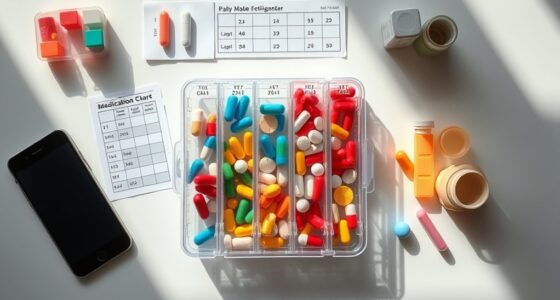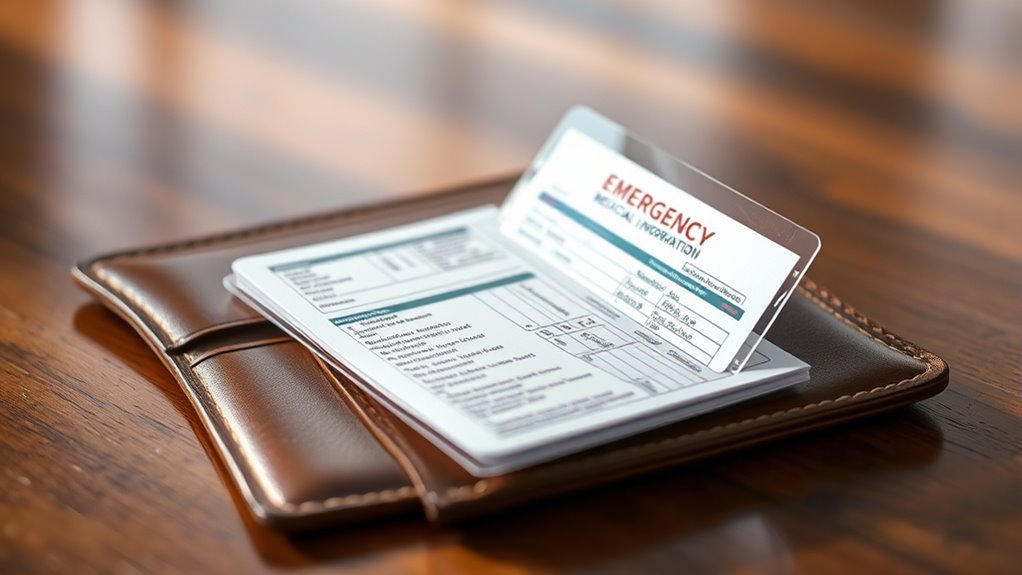
Having a well-organized emergency info pocket guide is essential for quick access to your medication list, allergies, and critical health details during a 911 call. It helps responders identify you swiftly, avoid harmful reactions, and provide appropriate care, even if you’re unconscious or unable to communicate. Keep your guide updated and in a convenient spot, like your wallet or purse. Keep going for more tips on making yours effective and easy to use.
Open a free Amazon Business account
Business pricing, bulk buying and tax-exempt orders.
As an affiliate, we earn on qualifying purchases.
Key Takeaways
- Carry a clearly organized, easily accessible emergency info guide in your wallet or keychain for quick reference.
- Include essential details like full name, date of birth, allergies, medications, and medical conditions.
- Regularly review and update the guide to reflect any changes in health or medication.
- Use clear labels and large fonts to ensure rapid reading during high-stress situations.
- Incorporate links to medication management resources to prevent errors and ensure accuracy.
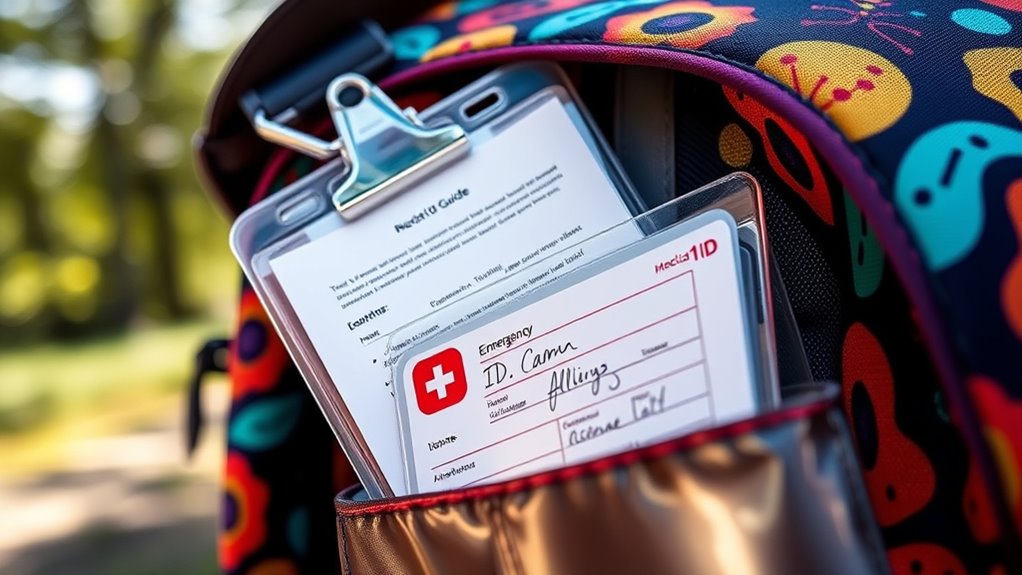
Have you ever found yourself in an emergency situation and wished you had quick access to crucial information? When every second counts, having a pocket-sized emergency info guide can make all the difference. This compact resource guarantees that first responders, like paramedics and 911 dispatchers, can immediately access vital details about your health, allergies, and medications. It’s a simple step that can significantly improve the quality of your care, especially when you’re unable to communicate or provide the necessary details yourself.
A well-prepared emergency info pocket guide should include your full name, date of birth, and emergency contacts. More importantly, it must list your allergies—whether they’re to medications, foods, or environmental triggers—so responders avoid administering harmful substances. Your medication management details are equally crucial; this includes a list of current prescriptions, over-the-counter drugs, and any supplements you’re taking. Clear, organized information helps emergency personnel quickly understand your medical background, reducing the risk of errors and delays.
Having your medical history readily available also assists with administering first aid essentials. For example, if you’re allergic to certain medications, responders can avoid administering emergency drugs that could cause adverse reactions. If you carry an EpiPen, noting this on your guide ensures that responders know to administer it immediately if needed. Additionally, including information about chronic conditions like asthma, diabetes, or heart disease gives emergency teams a complete picture of your health status, guiding them to provide appropriate care.
Having your medical history accessible helps responders provide safe, effective first aid and avoid harmful medication errors.
Medication management is a key component of your emergency guide because it prevents dangerous mistakes during high-pressure situations. When responders see a list of your medications, they can check for potential interactions, adverse effects, or specific instructions that might influence treatment. This is especially important if you’re unconscious or unable to communicate. Keeping your medication list updated and stored in a visible, accessible part of your wallet or keychain guarantees they can find it quickly.
Incorporating your emergency info guide into your daily routine is simple. Carry it in your wallet, purse, or attach it to your keychain—places you’re likely to have quick access to in any situation. Regularly review and update the information to reflect any changes in your health or medication regimen. By doing so, you guarantee that emergency responders always have accurate, up-to-date information to help provide you with the best care possible. Remember, being prepared with a pocket guide isn’t just about having information—it’s about safeguarding your health when it matters most.
Including medication management details in your guide is especially important because it helps prevent dangerous mistakes during high-pressure situations.
Frequently Asked Questions
How Can I Ensure My Emergency Info Stays Up-To-Date?
To keep your emergency info up-to-date, regularly review your medication storage and update your med list and allergies as needed. Keep this info in a secure, accessible spot, like a pocket guide, but be mindful of privacy concerns. Consider sharing a copy with trusted family members or caregivers, so they have current details during emergencies. Set reminders to review and update your info every few months for accuracy.
What Is the Best Way to Carry My Medical List Discreetly?
You can carry your medical list discreetly by using medical alert jewelry, like a bracelet or necklace, which keeps essential info visible to responders. Additionally, opt for discreet storage options such as a small, waterproof case or a secure pocket in your bag. These methods guarantee your emergency info stays accessible and private, giving you peace of mind knowing it’s always available when needed.
How Should I Organize Multiple Emergency Contacts?
You should prioritize your emergency contacts based on their ability to respond quickly and their relationship to you. Use clear contact information formats, like full names, phone numbers, and relationships, to avoid confusion. Keep a small, organized list or digital file with this info, updating it regularly. This way, in an emergency, responders can reach the right people fast, and your contacts are easy to identify and contact.
Can Digital Versions Replace Paper Emergency Info?
Digital versions can replace paper emergency info, but with caution. Imagine someone’s phone contains your med list and allergies; if it’s secure, first responders access quickly, saving precious time. However, digital security and privacy concerns mean you must select reputable apps with encryption and backup options. While digital info offers convenience, keeping a printed copy as a backup ensures you’re prepared if devices fail or are inaccessible.
What Items Should I Include Besides Meds and Allergies?
You should include your emergency contacts, healthcare provider info, and any mental health conditions. Also, add dietary restrictions, recent surgeries, and essential medical devices. Mention any current treatments or therapies, and list specific symptoms or concerns that might help responders. Including these details guarantees responders get a complete picture quickly, which could be critical for your safety and well-being during an emergency.
Conclusion
So, next time you reach for your phone in an emergency, maybe also check your pocket guide. Ironically, the one thing that could save your life is often the last thing you remember—until it’s too late. Keep your medical info handy and avoid the “oops” moment when every second counts. After all, being prepared isn’t just smart; it might just be the reason someone else gets to thank you tomorrow.
Fall yard work Picks
leaf blowers
As an affiliate, we earn on qualifying purchases.