

When your senior refuses medication, start by understanding their concerns—whether it’s side effects, swallowing issues, or emotional reasons like fear or mistrust. Use practical solutions like pill organizers, alternative forms, or visual cues to make taking meds easier. Communicate with compassion, listen actively, and involve them in decisions to build trust. If resistance persists, consult healthcare providers for tailored options and support. Keep exploring these strategies to help guarantee their health and well-being.
Key Takeaways
- Communicate openly and compassionately to understand their concerns and build trust.
- Use practical tools like pill organizers, reminders, or alternative medication forms for easier intake.
- Involve healthcare providers to assess side effects, consider alternatives, or address underlying issues.
- Encourage autonomy by involving seniors in decisions and respecting their preferences.
- Address emotional and cognitive factors with patience, validation, and support to improve medication adherence.

When it comes to choosing the right treatment, the battle between traditional medicines and alternative remedies has never been more intense. If your senior refuses to take their medication, it can be frustrating and concerning, especially when medication adherence is essential for their health. You might wonder how to improve pill management and ensure they stick to their prescribed regimen. The first step is understanding why they’re resistant. Sometimes, it’s due to side effects, difficulty swallowing, or simply a lack of understanding about the medication’s importance. Other times, it’s emotional, rooted in fear or mistrust. Recognizing the root cause helps you address the issue more effectively.
Once you know why they’re refusing medication, you can explore practical solutions. For pill management, consider organizing their pills using a pill organizer, which simplifies daily intake and reduces confusion. Set a consistent schedule, so taking medication becomes a routine part of their day. Visual cues, like placing the pills next to the toothbrush or on the dinner table, can also serve as gentle reminders. If swallowing pills is an issue, ask their healthcare provider about alternative forms, like liquids, patches, or dissolvable tablets. These options can make medication intake less intimidating and easier to manage. Additionally, water safety is an important consideration to prevent choking or aspiration when swallowing pills.
Communication plays an essential role in medication adherence. Sit down with your senior and have an open, compassionate conversation. Explain why the medication is necessary, emphasizing how it helps maintain their health and independence. Avoid using threats or guilt, which can create resistance. Instead, listen to their concerns and validate their feelings. Sometimes, involving them in the decision-making process makes them feel more empowered and willing to cooperate.
If refusal persists, consider consulting their healthcare provider. They can review the medication regimen, check for side effects, or suggest alternative treatments that align better with your senior’s preferences. Remember, healthcare providers might also recommend tools like reminder systems or involve a caregiver or family member to oversee medication intake. If mental health or cognitive issues are contributing to non-adherence, addressing these underlying problems can profoundly improve their willingness to take medication.
Ultimately, ensuring medication adherence isn’t just about enforcing rules; it’s about fostering trust and understanding. By managing pills thoughtfully, communicating openly, and exploring all options, you can help your senior navigate their treatment with dignity and confidence. The goal is to make medication management less stressful and more integrated into their daily life, supporting their health while respecting their autonomy.

homerella Bathtub Mat Non Slip 35x16 Shower Mat Non Slip Anti Mold BPA Free
- Non-Slip Design: 250+ anti-slip suction cups for secure grip
- Mold & Mildew Resistant: Machine washable with optimal water drainage
- Skin-Friendly Material: Odorless, BPA-free, eco-friendly vinyl
As an affiliate, we earn on qualifying purchases.
Frequently Asked Questions
How Can I Tell if My Senior Truly Refuses Medication or Forgets?
You can tell if your senior truly refuses medication or simply forgets by observing their behavior and noting memory lapses. If they consistently forget doses but seem willing at other times, they might need reminders or a routine change. Behavioral cues like frustration or agitation when taking medication can indicate refusal. Keep a medication schedule, communicate gently, and check for underlying issues like memory problems or side effects to better understand their response.
Are There Alternative Treatments if My Senior Refuses Pills?
Yes, there are alternative treatments if your senior refuses pills. You can explore natural remedies like herbal teas or supplements, but always consult their healthcare provider first. Therapy options, such as counseling or occupational therapy, can also support their health and well-being. These alternatives may be more acceptable to your senior and help manage their condition effectively without relying solely on medication.
What Legal Options Exist for Medicating Unwilling Seniors?
When your senior refuses medication, you might think about invoking guardian rights or medical mandates, but beware—it’s not as easy as waving a legal wand. Laws vary by state, and courts usually prioritize personal autonomy. You could seek a court order for involuntary treatment, but it’s a complex process requiring medical and legal evaluations. Ultimately, engaging in respectful dialogue often yields better compliance than legal battles.
How Can I Communicate Effectively With a Resistant Senior About Medication?
To communicate effectively with a resistant senior about medication, you should approach family dynamics with patience and empathy. Listen actively to their concerns, showing emotional support and understanding. Use clear, simple language to explain medication benefits, and involve them in decision-making to foster trust. Maintaining calm, respectful dialogue helps reduce resistance, making it easier for them to accept their medication and feel valued throughout the process.
What Are the Risks of Forcing Medication on a Senior?
Forcing medication on a senior risks ethical violations and can damage trust, which is part of your caregiver responsibilities. It may cause emotional distress or physical harm, especially if they resist violently. Instead, consider open communication, understanding their concerns, and consulting healthcare professionals for alternatives. Respecting their autonomy while ensuring safety balances ethical considerations with your caregiving duties, promoting a cooperative approach that benefits everyone involved.
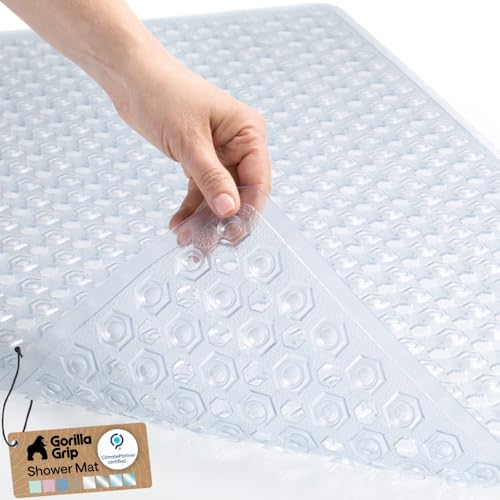
GORILLA GRIP Patented Bath Tub Shower Mat, Machine Washable Bathtub Floor Liner Mats, Suction Cups and Drain Holes to Keep Tubs Clean, Soft on Feet, Bathroom Essentials, 35x16 Inch, Clear
- Patented Design with Suction Cups: Securely stays in place with powerful suction
- Easy Water Drainage: Drain holes prevent water pooling
- BPA-Free and Textured: Soft, pebble-textured surface for comfort
As an affiliate, we earn on qualifying purchases.
Conclusion
So, after all that advice, the irony hits you—sometimes the biggest hurdle isn’t the medication, but convincing your senior to take it. You’d think offering them a pill would be simple, but stubbornness and pride often win. Just remember, patience, compassion, and a little humor can go a long way. Who knew that in the battle of medicine, the real victory is learning to laugh when plans go awry? Sometimes, it’s the little wins that matter most.

TEESHLY Bath Tub and Shower Mats, Non Slip 40 x 16 Inch Extra Large Bathtub Mat, Machine Washable Bathmat with Drain Holes, Suction Cups for Bathroom Floor, Gray
- Large Non-Slip Bath Mat: 40 x 16 inches with 362 suction cups
- Massage-Style Pebbled Design: Irregular textured surface for friction
- Optimized Drainage Holes: 327 large holes for water flow
As an affiliate, we earn on qualifying purchases.

Centrum Silver Multivitamin for Adults 50 and Over, 220 Tablets
- Product Quantity: 220 tablets per bottle
- Target Age Group: Adults 50 and over
- Key Nutrients: Vitamin D3, B Vitamins, Calcium
As an affiliate, we earn on qualifying purchases.